Unearthing Gold: The Expert's Guide to Reselling Vintage Comic Books for Top Dollar

Welcome to the thrilling and potentially lucrative world of vintage comic book reselling! As an expert e-commerce reseller and avid collector, I can attest that the market for vintage comics is vibrant, ever-changing, and filled with opportunities for those who know where to look and how to sell. From Golden Age masterpieces to Bronze Age key issues, these paper treasures hold both historical significance and substantial monetary value. This comprehensive guide will equip you with the knowledge and actionable strategies to confidently identify, grade, price, and sell vintage comic books, turning your passion into profit.
The Hunt Begins: Identifying Authentic and Valuable Vintage Comic Books
The first step in reselling vintage comic books is learning how to distinguish genuine artifacts from reprints and to recognize what makes a comic truly valuable. This isn't just about reading the cover; it's about understanding the subtle nuances of comic book history and production.
What Defines "Vintage"?
While the term "vintage" can be subjective, in the comic book world, it generally refers to issues from specific eras that predate modern publishing standards.
- Golden Age (1938-1956): The birth of superheroes like Superman, Batman, Captain America, and Wonder Woman. These are often the rarest and most valuable.
- Silver Age (1956-1970): The resurgence of superheroes, particularly with Marvel's revolutionary characters like Spider-Man, Fantastic Four, Hulk, and X-Men. Also highly sought after.
- Bronze Age (1970-1985): A period of darker, more mature storytelling, introducing characters like Wolverine, Punisher, and new iterations of classic heroes. Many key issues from this era also fetch significant prices.
Comics from the Copper Age (1985-1992) and Modern Age (1992-Present) can also be valuable, especially first printings of popular characters or highly collectible variant covers, but our focus here is primarily on the true "vintage" eras.
Key Identifiers and Authentication
Authenticating a vintage comic goes beyond a quick glance. You need to become familiar with the hallmarks of different publishers and eras.
- Publisher & Era-Specific Logos: Familiarize yourself with the logos and mastheads of major publishers like Marvel (Atlas and Timely pre-Marvel), DC (National Comics), EC Comics, Dell, Gold Key, Charlton, Archie, and Image. Logos often changed over time.
- Cover Date vs. Release Date: The date printed on the cover is often 2-3 months after the actual street date. This is important for historical accuracy but rarely affects value directly unless discussing specific print runs.
- Interior Pages & Ads: The paper quality, printing style, and even the advertisements (e.g., mail-order toys, Hostess Fruit Pies ads) are strong indicators of a comic's age and authenticity. Older comics typically have coarser, less glossy paper than modern ones.
- Originality vs. Reprints: Many popular Golden and Silver Age stories were reprinted years later. Always check the indicia (the small print on the first or second page) for "reprint" notices. Key indicators might also be a higher cover price than the original, different trade dress, or a clearly stated reprint status on the cover itself (e.g., "Marvel Collector's Item Classics" or "Famous First Edition").
- Graded Slabs (CGC/CBCS): If you encounter a comic encased in a sealed plastic slab with a label from CGC (Certified Guaranty Company) or CBCS (Comic Book Certification Service), it has already been professionally authenticated, graded, and encapsulated. These are generally easier to resell and command higher prices due to guaranteed authenticity and condition.
Spotting Valuable Variations & Key Issues
Certain comics are inherently more valuable due to their historical significance or rarity. Knowing what to look for can turn a casual browse into a profitable find.
- First Appearances: These are the holy grail of comic collecting. Examples include:
- Action Comics #1 (Superman's first appearance)
- Detective Comics #27 (Batman's first appearance)
- Amazing Fantasy #15 (Spider-Man's first appearance)
- Incredible Hulk #181 (Wolverine's first full appearance)
- Always research potential first appearances for characters, even minor ones, as they can suddenly spike in value due to media adaptations.
- Origin Stories: Often tied to first appearances, these issues detail how a character got their powers or became a hero.
- Iconic Covers: Covers by legendary artists like Jack Kirby, Steve Ditko, Neal Adams, Frank Frazetta, and Jim Steranko, or those depicting memorable scenes, can significantly increase a comic's value.
- Low Print Runs: Some comics were printed in smaller quantities, making them rarer. This can be due to experimental periods, independent publishers, or distribution issues.
- Pedigree Collections: Occasionally, a comic will come from a famous, well-documented collection (e.g., the Mile High Collection, Edgar Church Collection). These are usually slabbed and noted by the grading company, and they often carry a premium due to their pristine condition and provenance.
- Variant Covers (Limited Vintage): While prolific in modern comics, true variant covers in vintage comics are rarer and more significant. Examples include certain regional newsstand variants or promotional editions. Always research the specific issue to confirm.
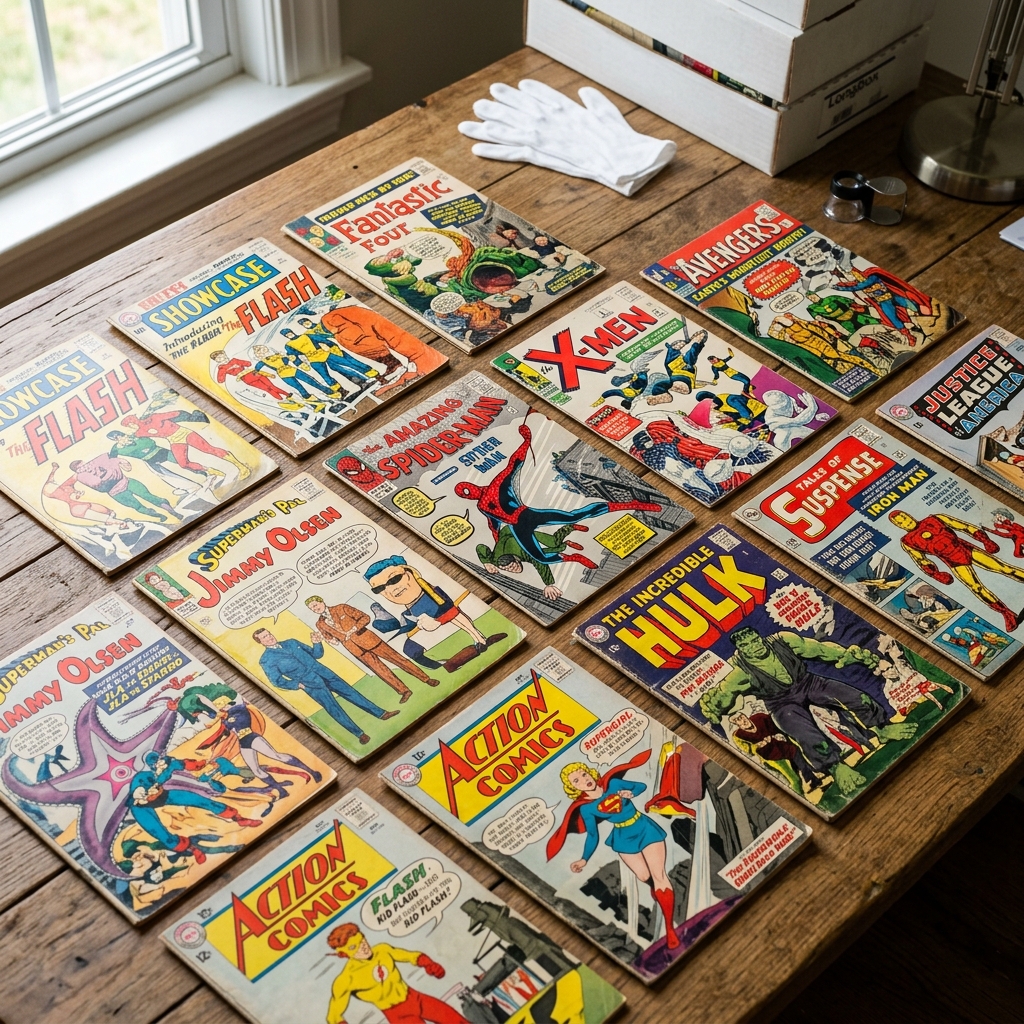
Condition is King: Inspecting and Grading Vintage Comic Books
In the world of comic books, condition is paramount. Even a slight crease can mean the difference of hundreds, or even thousands, of dollars for a high-value vintage issue. Accurate grading is crucial for setting expectations and achieving fair prices.
Understanding Comic Book Grading Scales
Professional grading companies like CGC and CBCS use a 10-point scale (0.5-10.0), with higher numbers indicating better condition. While you might not be a certified grader, understanding the scale helps you accurately assess and describe your comics.
- Mint (9.9-10.0): Flawless, perfect. Extremely rare for vintage books.
- Near Mint (9.0-9.8): Almost perfect, minor imperceptible flaws.
- Very Fine (8.0-8.9): Minor wear, sharp colors, almost flat.
- Fine (6.0-6.9): Some wear, minor creasing, slight spine roll possible.
- Very Good (4.0-4.9): More noticeable wear, moderate creasing, some tanning.
- Good (2.0-2.9): Significant wear, tears, heavy creasing, discolored.
- Fair (1.0-1.9): Very worn, tears, pieces missing, heavy staining.
- Poor (0.5): Extremely damaged, large pieces missing, heavily stained, brittle.
For reselling, strive to be objective and err on the side of caution when self-grading. It's better to under-promise and over-deliver.
Common Flaws to Look For
Thoroughly inspect every part of the comic. Use a bright light and examine both front and back covers, spine, edges, corners, and interior pages.
- Cover Flaws:
- Creases: Small folds or bends. "Color-breaking" creases are worse than "non-color-breaking."
- Tears & Rips: Any separation of paper.
- Spine Stress/Roll: Lines or breaks along the spine, or the spine curling.
- Scuffing & Abrasions: Surface wear.
- Color Fading/Loss: Sun damage or general wear.
- Water Damage/Stains: Discoloration, ripples, or residue.
- Writing/Stamps: Pen, pencil, or stamp marks.
- Staple Rust/Migration: Rust on staples, or staples moving through the paper.
- Interior Page Flaws:
- Tanning/Yellowing: Natural aging of the paper.
- Tears/Missing Pieces: Common in older, brittle comics.
- Writing/Coloring: Especially prevalent in comics owned by children.
- Foxing: Small, brownish spots caused by mold or mildew.
- Brittleness: Pages that crumble easily indicate poor preservation.
- Structural Flaws:
- Spine Splits: A tear along the spine seam.
- Loose/Detached Cover: The cover is no longer securely attached to the staples or the rest of the book.
Basic Cleaning and Preservation
While professional pressing and cleaning can dramatically improve a comic's grade and value, this is an advanced technique. For resellers, focus on basic preservation.
- Dusting: Gently brush off any surface dust or debris with a soft, clean brush.
- Bagging & Boarding: This is non-negotiable for protection. Always store comics in Mylar or polypropylene bags with acid-free backing boards. This prevents further damage, dust accumulation, and environmental exposure. 📦 Buy Comic Book Bags and Boards Here
- Avoid: Never use tape on a comic, try to "whiten" pages with chemicals, or attempt complex repairs unless you are a professional conservator. Such actions can be considered restoration and actually decrease value if not disclosed.
Pricing for Profit: Researching Market Value and Setting Your Price
Accurate pricing is the cornerstone of successful reselling. Price too high, and your comic sits; price too low, and you leave money on the table. Market value for vintage comics can fluctuate based on demand, media adaptations, and overall economic trends.
The Gold Standard: eBay Sold Listings (Comps)
When it comes to real-world market value, eBay's sold listings (often called "comps" or comparables) are your best friend.
- How to Search: Go to eBay, search for your specific comic (e.g., "Amazing Spider-Man 129"), then filter the results by "Sold Items" and "Completed Items."
- Analyze Results: Look for several recent sales of the exact same issue in a similar condition to yours. Pay attention to both raw (ungraded) and slabbed (CGC/CBCS) sales, noting the grade differences.
- Average Value: Don't just pick the highest sale. Look for a consistent average across multiple transactions. If a comic sold for $50 one day and $200 the next, investigate why (e.g., one was graded much higher, one was an auction anomaly, one was a fake).
- Condition Matching: This is where your self-grading skills come in. Try to find comps that match your comic's condition as closely as possible.
Other Pricing Resources
Supplement eBay comps with data from specialized comic resources.
- GoCollect / Zap-Kapow / CovrPrice: These are excellent subscription-based services that aggregate sales data from various auction sites (eBay, Heritage, ComicLink) and provide comprehensive pricing guides, market trends, and historical data for virtually every comic. Invaluable for serious resellers.
- MyComicShop / Heritage Auctions / ComicLink: While primarily auction houses, their past sales archives offer insight into the high-end market for rare and high-grade vintage comics.
- Overstreet Comic Book Price Guide: Often referred to as "the bible," Overstreet provides extensive listings and price estimates for comics. However, its print publication schedule means it can lag behind current market trends. Use it more for identification and historical context rather than absolute pricing.
Factors Influencing Price
Beyond condition, several elements can impact a comic's value.
- Condition: As discussed, this is the most critical factor.
- Rarity/Scarcity: Truly rare comics (low print runs, hard to find) command higher prices.
- Demand: Character popularity, current movie/TV adaptations, anniversaries, or even viral social media moments can dramatically increase demand and price.
- Grader (CGC/CBCS): Slabbed books consistently sell for more than raw copies of the same grade due to authentication and permanent protection.
- Restoration: Undisclosed restoration can severely devalue a comic. Disclosed minor restoration might still allow for a sale, but at a reduced price.
Dynamic Pricing Strategies
Choosing how to list your comic can also affect your final sale price.
- Fixed Price (Buy It Now): Ideal for mid-range vintage comics or those with stable market values. Allows buyers to purchase immediately. Always include the "Best Offer" option to encourage engagement.
- Auction: Best for high-value, rare, or highly sought-after vintage comics, especially key issues. Auctions can create bidding wars, potentially driving the price beyond your initial expectation. Consider starting low with no reserve to attract bidders, or set a reserve price to protect your investment.
- Offers (Best Offer): A great way to move inventory and negotiate with buyers, allowing flexibility.
Platforms and Packaging: Selling and Shipping Your Vintage Treasures
Once you've identified, graded, and priced your vintage comic, it's time to get it into the hands of a new collector. Choosing the right platform and ensuring secure shipping are crucial for a smooth transaction and positive feedback.
Best Platforms for Selling Vintage Comic Books
Each platform offers different advantages for comic sellers.
- eBay: Undisputably the largest and most active marketplace for comic books. Its massive global audience, robust search filters, and auction functionality make it the go-to platform for everything from common Bronze Age issues to rare Golden Age keys.
- ComicLink / Heritage Auctions: For truly high-value vintage comics (typically those worth hundreds to thousands of dollars), these specialized auction houses offer a white-glove consignment service. They handle authentication, grading submission (if needed), photography, and marketing, reaching a clientele of serious collectors. You'll pay a commission, but for elite books, it can be worth it.
- MyComicShop / Midtown Comics / Local Comic Shops: These are established online retailers or brick-and-mortar stores that often buy comic book collections. While convenient for bulk sales or moving lower-value inventory quickly, you will generally receive less than if you sold the books individually yourself.
- Whatnot: A live auction platform that has gained significant traction for comics. Sellers host live shows, showcasing items and auctioning them off in real-time. It's highly engaging and can be very effective for moving inventory quickly, but requires a dynamic sales personality.
- Facebook Marketplace / Local Buy/Sell Groups: Good for lower-value vintage comics, bundles, or to avoid shipping costs by selling locally. Limited reach compared to eBay, but great for community engagement.
- Poshmark: While primarily known for fashion, Poshmark can be used for graphic novels or comic-related merchandise. However, it's generally not the ideal platform for individual, high-value vintage comic books due to its focus and buyer demographic.
Crafting Compelling Listings
Your listing is your storefront. Make it shine!
- High-Quality Photos: Take clear, well-lit photos from multiple angles. Include:
- Full front cover
- Full back cover
- Interior splash page
- Close-ups of any significant flaws (creases, tears, stains)
- Close-up of the indicia (small print for authenticity)
- Always use natural light or a good lighting setup.
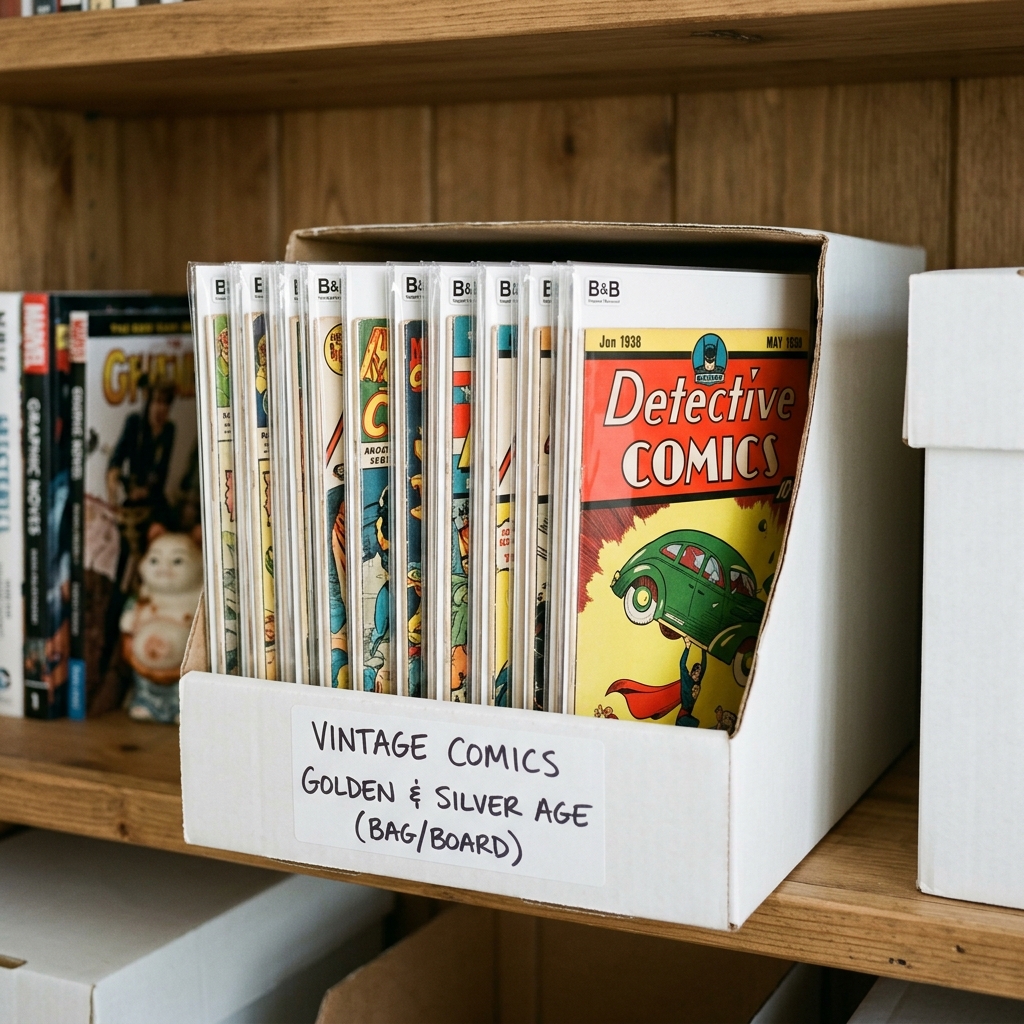
- Detailed Description: Be honest and thorough. Include:
- Title, Issue Number, Publisher, Cover Date
- Key appearances (First appearance of X, Origin of Y, Iconic Cover by Z)
- Your honest assessment of the condition, listing specific flaws.
- Any known restoration (ALWAYS disclose!).
- If slabbed, clearly state the grading company and grade.
- Keywords: Use relevant keywords in your title and description to help buyers find your item (e.g., "Amazing Spider-Man #129 first appearance Punisher Bronze Age comic book key issue").
Secure Shipping for Comic Books
Shipping comic books safely is paramount. A damaged comic means a refund and bad feedback.
- Essential Materials:
- Comic book bag and board (already mentioned, but crucial here).
- Rigid cardboard mailer specifically designed for comics, or two pieces of sturdy, rigid cardboard slightly larger than the comic.
- Bubble wrap for added cushioning. 📦 Buy Bubble Wrap Here
- Painter's tape or masking tape (gentler than regular packing tape).
- Poly mailer or sturdy cardboard box (for multiple comics or higher value items).
- Packaging Steps:
- Place the comic in a fresh bag and board.
- Sandwich the bagged and boarded comic securely between two pieces of rigid cardboard. Tape the edges of the cardboard together, being careful not to tape directly to the comic bag. This creates a protective "cardboard sandwich."
- For higher value comics, wrap the cardboard sandwich in a layer or two of bubble wrap.
- Insert the protected comic into a bubble mailer or a sturdy, rigid comic mailer.
- For multiple comics, repeat step 2 for each, then bundle them together before placing in a box with additional padding.
- Affix a "DO NOT BEND" sticker or write it clearly on the package, though this is not a guarantee that it won't be bent.
- Shipping Services:
- USPS First Class Mail: Ideal for single comics weighing under 1 lb. It's economical and includes tracking.
- USPS Priority Mail: For heavier orders, faster delivery, or if you prefer a box over a mailer.
- Insurance & Tracking: Always purchase insurance for higher-value comics. Tracking is standard with most services and is essential for both buyer and seller peace of mind.
Reselling vintage comic books is a rewarding endeavor that blends treasure hunting, historical appreciation, and business acumen. By diligently applying these expert strategies—from authenticating your finds to meticulous grading, strategic pricing, and secure shipping—you'll be well on your way to building a successful and profitable vintage comic book reselling operation. Happy hunting, and may your sales be mighty!