The Ultimate Guide to Reselling Vintage Barbie Dolls: Identify, Price & Profit

Welcome to the fascinating and potentially lucrative world of vintage Barbie doll reselling! For over six decades, Barbie has captivated generations, evolving from a simple fashion doll into a cultural icon. This enduring appeal has created a robust secondary market, where original, well-preserved vintage Barbies can fetch impressive prices. As an expert e-commerce reseller and SEO copywriter, I'm here to equip you with the knowledge and strategies to navigate this market successfully, turning your finds into significant profits.
Whether you're clearing out an attic, scouring estate sales, or diving deep into online auctions, understanding the nuances of vintage Barbie dolls is crucial. This guide will walk you through identification, condition assessment, smart pricing, and effective selling strategies, ensuring you’re ready to conquer the vintage doll market.
The Allure of Vintage Barbie Dolls: What Makes Them Valuable?
Vintage Barbie dolls are not just toys; they are pieces of history, reflecting fashion, culture, and societal changes across different eras. Their value stems from nostalgia, rarity, artistry, and the sheer dedication of a global collector base. To succeed in reselling, you must first master the art of identification.
Identifying Authentic Vintage Barbie Dolls
The first step to profitable reselling is confirming authenticity and pinpointing the era of your Barbie. This requires a keen eye for details:
- Copyright Markings: The most critical identifier is the marking on the doll's buttock or lower back. Look for "Mattel Inc." followed by a patent number or copyright date. While the date indicates the patent year, not necessarily the production year, it helps narrow down the era. For example, "1966" often appears on dolls produced much later but using a mold patented in 1966.
- Body Type:
- Original/Straight Leg (1959-1966): Early Barbies had stiffer, non-bending legs. The "Ponytail" Barbie (#1-6) falls into this category.
- Twist 'n Turn (TNT) (1967-1970s): These dolls could twist at the waist and bend their knees. This was a significant design change.
- Bendable Leg (1969-Present): Later dolls featured click-bend knees.
- Face Molds and Paint:
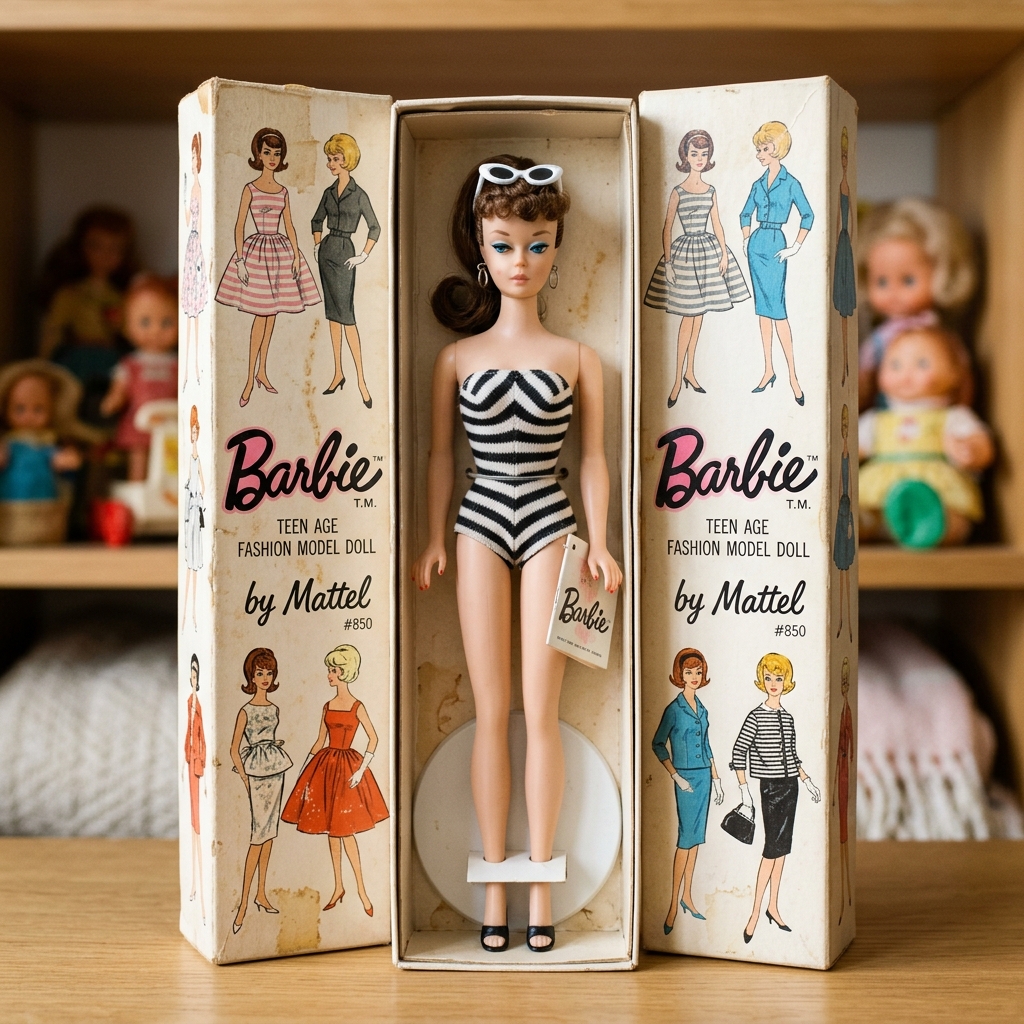
- Ponytail Faces (1959-1964): Distinctive arched eyebrows, side-glancing eyes (blue or brown), and red lips. The earliest dolls had solid bodies and holes in their feet for stands.
- Midge/Skipper Faces (early 1960s): Introduced with Barbie's friend Midge and sister Skipper, these molds sometimes appeared on Barbie herself, offering variations.
- Bubblecut/Swirl Ponytail/Flip Hairdo Faces: These referred more to hairstyles than face molds but are associated with specific eras.
- Pay attention to the color of the eyeshadow, the shape of the lips, and the style of the eyebrows – these changed frequently.
- Hair Material and Style: Early Barbies used rooted saran hair, which had a distinct feel. The hairstyles themselves (ponytail, bubblecut, flip, mod styles) are excellent indicators of age.
- Original Clothing & Accessories: A Barbie in her complete original outfit, especially if tagged "Barbie by Mattel" or with a specific line's tag, significantly increases value. Accessories like shoes, hats, jewelry, and stands are also vital. Early shoes had specific markings like "Japan."
Valuable Variations and Rarities
Beyond basic identification, understanding what makes certain Barbies more desirable to collectors is crucial.
- First Editions & Early Numbers: The #1 Barbie (1959) in her black and white zebra swimsuit is the holy grail, often fetching thousands. Later numbers like #2 (hollow legs), #3, and #4 also command high prices. Learn their specific distinguishing features.
- Limited Editions & Foreign Market Dolls: Some dolls were produced for specific markets (e.g., Japanese exclusives) or in limited quantities, making them rarer.
- Designer Collaborations: While more common in modern Barbies, early collaborations or unique fashion designer outfits can be very valuable.
- Factory Errors: Occasionally, misprints, unique hair placements, or assembly errors occurred. While some diminish value, very rare and distinct errors can attract collectors looking for unique pieces.
- Original Packaging (NIB/NRFB): "Never Removed From Box" (NRFB) or "New In Box" (NIB) dolls are typically the most valuable, especially if the box itself is in excellent condition. This confirms the doll's untouched state.
Assessing Condition: The Key to Accurate Valuation
Condition is paramount in the vintage doll market. A rare doll with significant flaws will sell for a fraction of its mint counterpart. Meticulous inspection is non-negotiable.
Common Flaws and Damage Points
Knowing what to look for will help you accurately grade your doll and set realistic expectations.
- Hair:
- Cuts/Frizz/Missing Plugs: Irreparable damage, significantly reduces value.
- Green Ear: A common issue where brass earrings react with the doll's vinyl, staining the ears green. Can sometimes be treated but is a major flaw.
- Sticky Hair: Often due to glue seepage from the head into the hair, common in later vintage dolls.
- Face:
- Fading/Rubs: Loss of original paint on lips, eyebrows, or eyes.
- Pinpricks/Chew Marks: Small holes or teeth marks.
- Green Spots: Can appear anywhere on the vinyl, similar to green ear.
- Neck Splits: Cracks at the neck joint, very common and significantly impacts value.
- Body:
- Limb Looseness: Especially at the hips, knees, or ankles.
- Missing Digits: Missing fingers or toes.
- Melt Marks/Ink Stains: From contact with other plastics or foreign objects.
- Discoloration/Yellowing: Uneven skin tone due to sun exposure or age.
- Joint Issues: Non-functional bendable knees or cracked joints.
- Odor: Smoke, mildew, or heavy storage smells can be difficult to remove and deter buyers.
- Original Clothing: Stains, tears, stretched elastic, missing snaps or buttons. Always check for the original tag.
Grading System for Resellers
Use a clear grading system to describe your doll accurately. Transparency builds buyer trust.
- NRFB (Never Removed From Box): Doll is still sealed in original packaging, untouched. Highest value.
- MIB (Mint In Box): Doll has been removed from the box, but is complete with all accessories and in pristine condition. Box is also excellent.
- Mint (Loose): Doll is flawless, perhaps with original outfit and accessories, but no box.
- Excellent: Minor, barely noticeable flaws. Hair might need a light restyle, a small rub to lip paint. Still highly displayable.
- Very Good: Noticeable but not severe flaws. Could have a loose limb, minor hair frizz, or slight paint rubs. Still suitable for display.
- Good: Significant flaws, such as missing digits, more pronounced stains, or heavy hair issues. Often suitable for restoration or as a "parts" doll.
- Play Condition: Heavily used, multiple significant flaws, often missing original clothes/accessories. Suitable for customizers or as parts.
Cleaning and Restoration Tips (Buyer Beware)
While restoration can enhance a doll's appeal, always disclose any work done. Gentle cleaning is often safe, but aggressive methods can decrease value.
- Gentle Cleaning: A mild dish soap (like Dawn) and warm water can clean most vinyl. Use cotton swabs for intricate areas.
- Hair Conditioning: A diluted fabric softener solution can help de-frizz and soften hair. Allow to air dry.
- Green Ear Treatment: Benzoyl peroxide cream (like acne cream) applied carefully and left in sun can sometimes lighten green ear. Use with extreme caution and test first, as it can lighten vinyl.
- Stains: Goo Gone (test on an inconspicuous area first) for sticky residues. A Magic Eraser can remove some surface marks, but use very gently as it's abrasive and can remove face paint or shine.
- Odor Removal: Place the doll in a sealed container with baking soda or activated charcoal for a few days/weeks.
Strategic Pricing for Maximum Profit
Pricing your vintage Barbie correctly is an art and a science. Overprice, and she won't sell; underprice, and you leave money on the table.
Researching Market Value with eBay Sold Comps
Your best friend for pricing is eBay's "Sold Items" and "Completed Items" filters. This shows you what buyers are actually paying, not just what sellers are asking.
- Search Precisely: Use specific keywords (e.g., "1960s Bubblecut Barbie #850 blonde TNT original outfit").
- Filter Results: Go to "Filters" > "Show More" > "Sold Items" (or "Completed Items").
- Compare Apples to Apples: Look for identical dolls in similar condition with similar accessories. Pay close attention to the grade. A NRFB doll's sold price is not relevant for a playline doll.
- Analyze Trends: Note if prices are consistent, or if there's a recent surge or dip in value. Look at both auction and Buy It Now (BIN) prices.
Factors Influencing Price
Beyond comps, consider these elements:
- Rarity: Scarce dolls from limited runs or early production periods command the highest prices.
- Condition: As discussed, condition is paramount. NRFB dolls are the pinnacle.
- Completeness: A doll with her entire original outfit, accessories, and stand is far more valuable than a "nude" doll.
- Provenance: An original box, pamphlet, or documentation adds significant value.
- Market Trends: Certain eras or doll types might experience surges in popularity. Stay updated by following collector forums.
Setting Your Price
Once you have your research, it's time to price your doll:
- Start High (but Realistically): If you have a desirable item in excellent condition, you can afford to list at the higher end of the comparable range.
- Consider Acquisition Cost: Factor in what you paid for the doll, plus your time and cleaning supplies.
- Account for Fees: Don't forget platform fees (eBay, Etsy, Poshmark, etc.) and potential payment processing fees.
- Be Open to Offers: Especially for higher-priced items, allowing "Best Offer" can attract buyers and give you negotiating room.
- Price Ending Psychology: Prices ending in .99 (e.g., $199.99) can sometimes appear more appealing than round numbers ($200.00).
Platforms & Shipping: Getting Your Barbie to Her New Home
You've identified, assessed, and priced your vintage Barbie. Now, it's time to sell and ship her safely.
Best Platforms for Selling Vintage Barbie Dolls
Each platform has its pros and cons, catering to different types of sellers and dolls.
- eBay:
- Pros: The largest global marketplace for vintage collectibles. Best for rare, high-value dolls due to broad reach and dedicated collector base. Robust search and filter options.
- Cons: Higher selling fees, requires detailed listing, can be competitive.
- Etsy:
- Pros: Niche marketplace for vintage and handmade items, attracts collectors looking for unique pieces. Good for dolls with custom outfits or artistic appeal.
- Cons: Smaller audience for very high-end Barbie collectors compared to eBay.
- Mercari/Poshmark:
- Pros: Easier to list, often caters to more casual sellers and buyers. Good for more common vintage Barbies, "play condition" lots, or parts dolls.
- Cons: Lower price ceilings, fees can be substantial (Poshmark's 20%).
- Specialized Facebook Groups/Forums:
- Pros: Direct access to dedicated collectors, often lower or no selling fees. Great for community building and insider tips.
- Cons: Requires more effort to manage transactions, less buyer protection than established platforms, payment via PayPal F&F can be risky.
- Local Sales (Antique Malls, Consignment Shops, Collector Shows):
- Pros: No shipping hassle, immediate payment, direct interaction with buyers.
- Cons: Limited reach, often lower prices than online, commission fees from shops.
Crafting Compelling Listings
Your listing is your storefront. Make it shine!
- High-Quality Photos: This is paramount. Take multiple, well-lit photos from all angles. Include close-ups of any flaws, the original tag on the clothing, and any markings. Use a neutral background.
- Detailed Description: Be scrupulously honest about the doll's condition, clearly listing all flaws (green ear, limb looseness, etc.). List every item included (doll, specific outfit pieces, accessories, stand, box). State the doll's identified era or model.
- SEO Keywords: Integrate relevant terms naturally. Think how a buyer would search: "Vintage Barbie," "1960s Mattel Ponytail Barbie," "Bubblecut Barbie blonde," "TNT Barbie."
- Clear Return Policy: While you may not offer returns on vintage items, clearly stating your policy (e.g., "All sales final, sold as-is") helps manage expectations. If you do offer returns, ensure conditions are clear.
Secure Shipping for Delicate Dolls
Vintage Barbies, especially those with intricate hairstyles or delicate clothing, require careful packing.
- Materials: You'll need plenty of cushioning. Use new, sturdy cardboard boxes, bubble wrap, tissue paper, and packing peanuts or air pillows. For NRFB dolls, consider double-boxing (a smaller box inside a larger one with cushioning). 📦 Buy Bubble Wrap on Amazon
- Protection:
- Wrap the doll securely in bubble wrap, paying extra attention to the head and delicate parts like fingers.
- Use tissue paper to protect clothing or hair if it's not wrapped in bubble wrap.
- If the doll has original packaging, ensure the box is also protected from crushing.
- Secure any loose accessories in a small baggie and tape it inside the box.
- Box Size: Choose a box that allows for at least 2 inches of cushioning on all sides. Avoid cramming the doll into too small a box.
- Shipping Services:
- USPS First Class (under 1 lb): Economical for lighter, less valuable dolls.
- USPS Priority Mail: Faster, includes tracking and up to $100 insurance. Ideal for most vintage Barbies.
- UPS/FedEx: Consider for very high-value, fragile items where extra insurance and careful handling are paramount.
- Insurance & Tracking: Always include tracking. For dolls over $100-$200, purchase additional insurance. It’s a small cost for peace of mind.
- International Shipping: Be aware of customs forms, potential duties for the buyer, and significantly higher shipping costs. Ensure you fill out customs declarations accurately.
Conclusion
Reselling vintage Barbie dolls can be a highly rewarding venture, combining a passion for collectibles with shrewd business acumen. By diligently researching, accurately assessing condition, implementing smart pricing strategies, and meticulously preparing your items for sale and shipment, you'll build a reputation as a trusted reseller. The market for these timeless beauties is strong and enduring – so go forth, identify those treasures, and delight collectors worldwide! Happy reselling!