Goodwill Sourcing Secrets: Uncovering High-Profit Flips

For many resellers, the local Goodwill is the primary hunting ground. But with more competition than ever in 2026, you can't just wander the aisles and expect to find gold. You need a strategy.

1. Skip the T-Shirts, Head to the Hard Goods
While vintage t-shirts are highly sought after, the t-shirt rack is the most picked-over section in any thrift store. Instead, beeline for the hard goods: electronics, vintage mugs, and sporting equipment.
Old Sony electronics, vintage Pyrex, and obscure board games often slip past the pricers and can yield massive margins on eBay.
2. The Power of the Touch Test
When you do hit the clothing racks, don't look—feel. Run your hands across the tops of the garments. You are feeling for heavy, natural fibers like 100% wool, cashmere, thick vintage denim, and real leather.
Once you train your hands to recognize quality materials, you can scan an entire rack in seconds without having to pull out a single item to check the tag.
3. Rescue Items with Minor Flaws
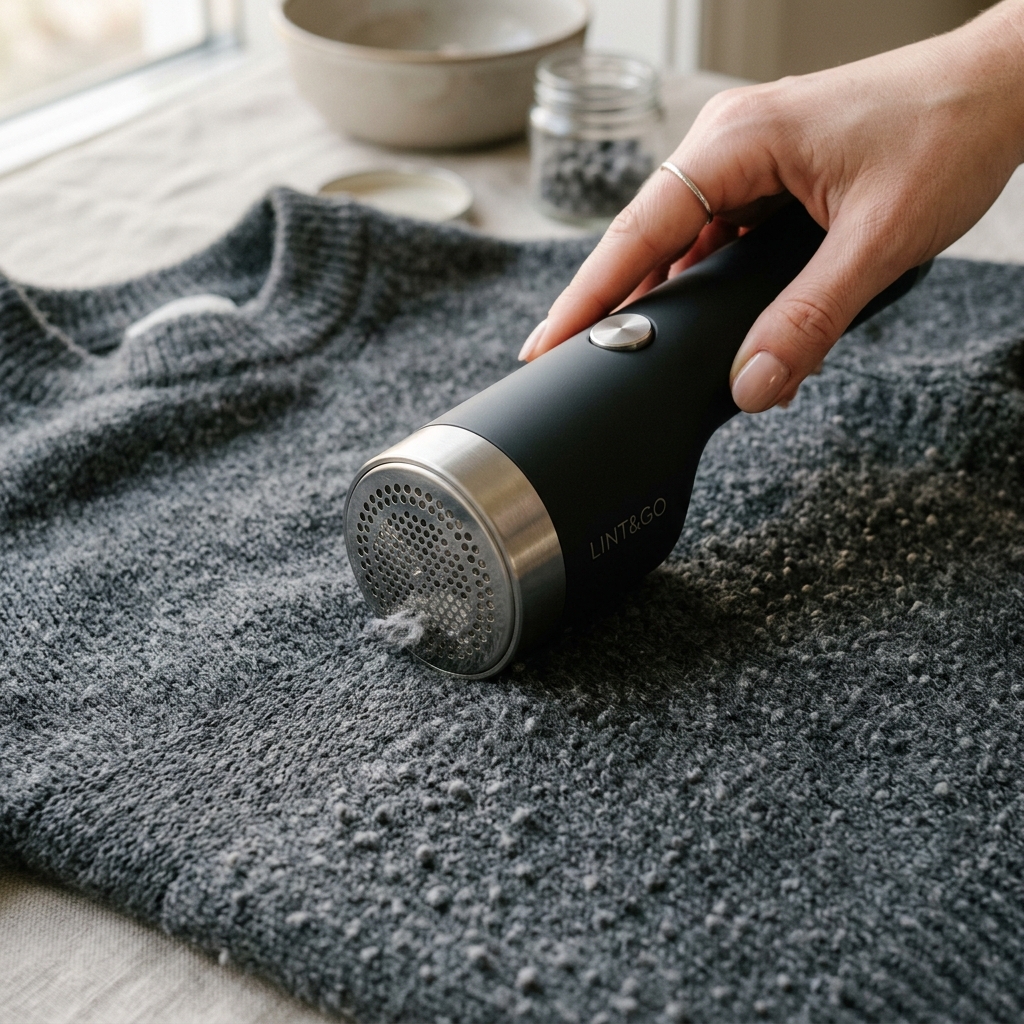
Many resellers will leave a high-end cashmere sweater on the rack if it has heavy pilling or a small spot. This is your opportunity.
By investing in a premium fabric shaver and a basic spot cleaning kit, you can rescue items that others pass up. A sweater that costs $4 and 10 minutes of shaving can easily flip for $60+.
Don't let minor, easily fixable flaws scare you away from high-end brands.
4. Map the Restock Schedule
PRO TIP: Make sure you have the right shipping supplies on hand. 📦 Buy Shipping Poly Mailers on Amazon Here
Every Goodwill operates on a different schedule, but they all have specific days and times when they roll out new carts. Ask an employee (politely!) when they typically bring out new inventory. Being the first to dig through a fresh cart is the single biggest advantage you can have as a reseller.